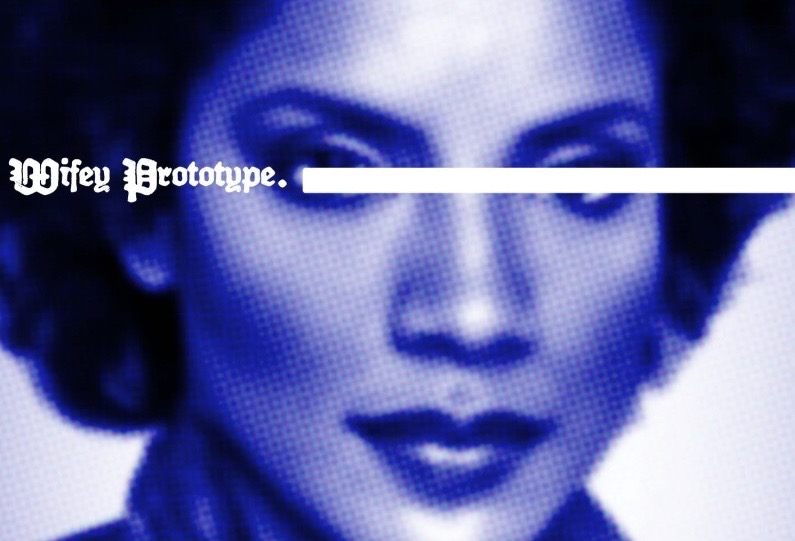
GENRE; Rap/ US Rap/ Hip-Hop
RELEASE DATE; 14 April, 2026
RATING; 3.8/5
“Wifey Prototype” is a confident and emotionally grounded release from Ajani Shakir, an artist whose music consistently circles themes of love, loyalty, and connection. From the opening moments, the track settles into a moody, late-night atmosphere, blending smooth R&B textures with a subtle hip-hop edge. It feels intentional, less about chasing trends and more about expressing a clear vision of romance shaped by lived experience.
At its core, the song explores the idea of an ideal partner, but it avoids sounding cliché. Instead, Ajani frames “wifey” not just as a label, but as a reflection of emotional compatibility, trust, and long-term commitment. His delivery carries a quiet intensity, suggesting that this search isn’t superficial, it’s deeply personal. The production complements this well, with layered instrumentation that gives the track a cinematic, almost reflective quality.
The feature from Dujon Tafari adds balance to the record, bringing in a contrasting vocal tone that enhances the song’s dynamic without overpowering it. Together, the two artists create a conversation-like flow, reinforcing the theme of partnership. It’s a collaboration that feels natural, elevating the overall listening experience. One of the song’s most striking moments comes when Ajani lays his emotions bare with the line, “Swear I love you this is not a phase, yeah I came up in the coldest ways, but you showed me how to breathe again.” It’s a brief but powerful glimpse into his vulnerability, capturing both the weight of his past and the healing power of genuine love, reinforcing the song’s central theme of finding something real in a world that often feels guarded.

What makes “Wifey Prototype” stand out is how it connects Ajani Shakir’s personal journey to a universal idea. His background shaped by cultural duality, hardship and growth, subtly informs the authenticity in his voice. There’s a sense that he’s not just imagining love; he’s earned his perspective on it. The result is a track that resonates beyond its runtime, offering listeners something both relatable and reflective, and further establishing Ajani as an artist worth paying attention to.